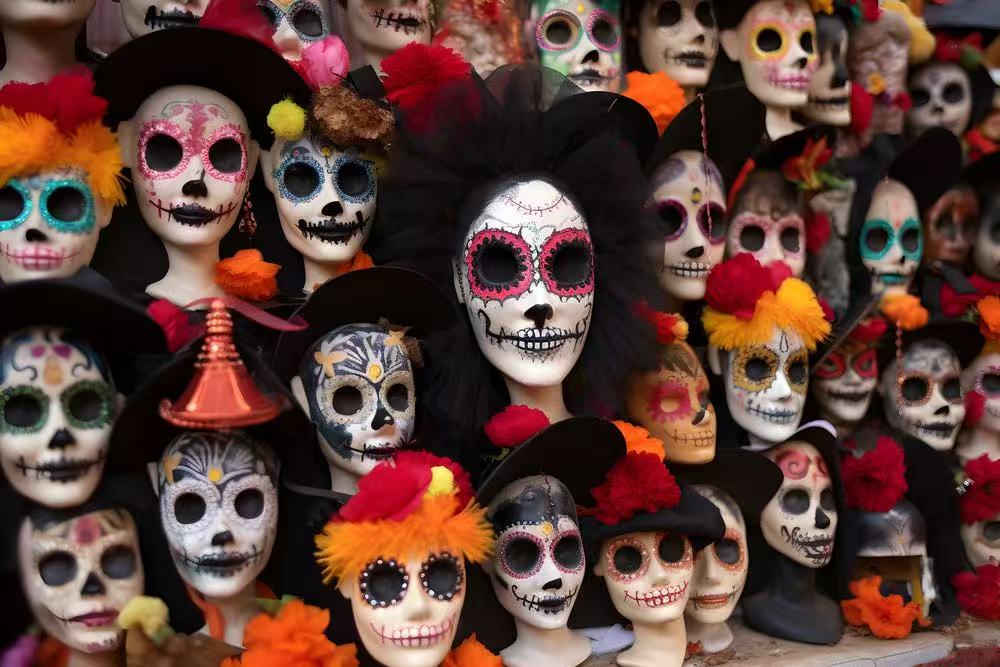
As an important symbol of human culture, the history of masks can be traced back to ancient rituals and theatrical performances. From the solemn mystery of Japanese Noh masks to the glamorous extravagance of the Venetian Carnival, and then to the creative expression of modern cosplay, the form and function of masks have continuously evolved with the progress of civilization.
1. Product History: From Religious Ritual to Popular Entertainment
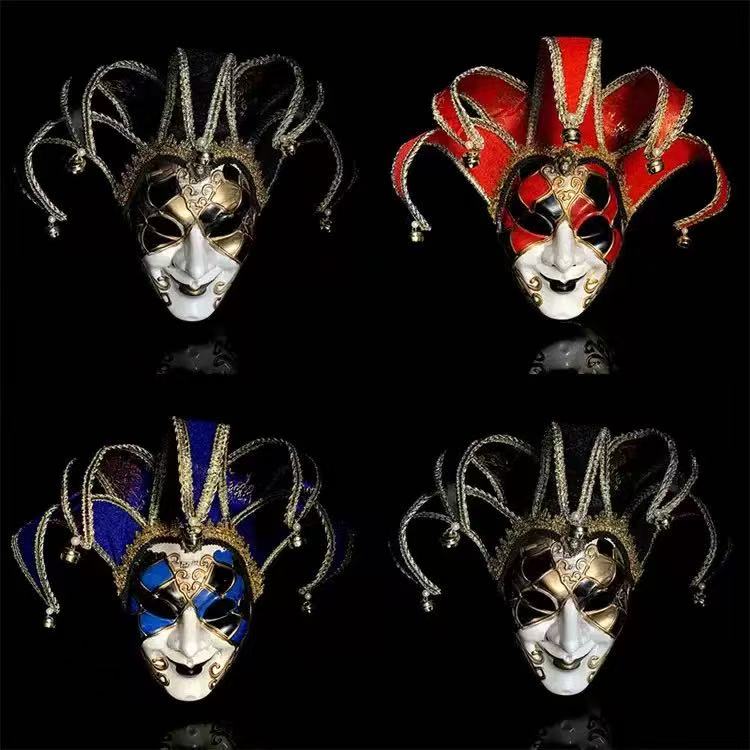
The origin of masks is closely related to early human religious beliefs and community activities. In Japan, Noh masks originated in the 14th century, primarily carved from wood, conveying the emotions of characters through exaggerated facial features and delicate textures, becoming a medium connecting divinity and humanity. Medieval Venetian masks in Europe originated from carnival traditions, featuring decorations of metal, leather, and glass, symbolizing the free spirit of equality and anonymous social interaction.
After the 20th century, masks gradually shifted from ritual objects to popular entertainment. The rise of Japanese anime culture has given rise to "Anime Masks," which use lightweight plastic or silicone to recreate character images; Halloween Horror Masks, on the other hand, use elements such as bloodstains and fangs to meet the needs of a horror theme. In recent years, with the popularization of immersive theater and theme parks, the function of masks has further extended to scene interaction and role-playing.
2. Market Supply Trends: Diversified Demand Drives Segmentation
The global mask market exhibits three core trends:
Accelerated Cultural Integration: Traditional masks are being combined with modern designs. For example, the minimalist lines of Japanese Noh masks are being integrated with LED lighting technology to create products that combine artistry and technological sophistication.
Surging Demand for Specific Scenarios: In addition to festivals and celebrations, themed parties, film shoots, escape rooms, and other scenarios place higher demands on the durability, breathability, and visual impact of masks. For example, film-grade masks require lightweight carbon fiber frames to support actors wearing them for extended periods.
Sustainable Materials Gain Favor: Increased environmental awareness is driving the industry to explore biodegradable materials, such as corn starch-based resins and bamboo fiber composites, which are particularly popular in the European market.
3. Manufacturing: Traditional Craftsmanship and Modern Technology Coexist
Hand Carving and Mold Forming: High-end cultural masks (such as Noh masks) still rely on artisans' hand carving, emphasizing the uniqueness of texture and spirit; mass-market consumer masks achieve mass production through 3D printing and silicone molds, reducing costs by more than 60%.
Material Innovation: Traditional wood and leather materials are gradually being replaced by silicone, TPE (thermoplastic elastomer), etc., balancing softness and safety; some manufacturers use 3D weaving technology to improve the breathability of the masks and solve the problem of stuffiness during prolonged wear.
Intelligent Upgrade: Dynamic masks integrating sensors and micro-motors can realize actions such as blinking and opening the mouth. Combined with AR technology, they can also trigger virtual effects, becoming a popular purchasing category at technology-themed exhibitions.
4. Styles, Application Scenarios, and Target Audiences
Traditional Art Masks: Japanese Noh masks, Chinese Nuo opera masks, etc., are suitable for cultural exhibitions, theatrical performances, and high-end collections, targeting cultural enthusiasts and art institutions. Festival/Celebration Masks: Venetian masks, Halloween horror masks, etc., targeting parties and holiday scenes. These need to be brightly colored and exaggerated in design, suitable for young consumers and event planning companies.
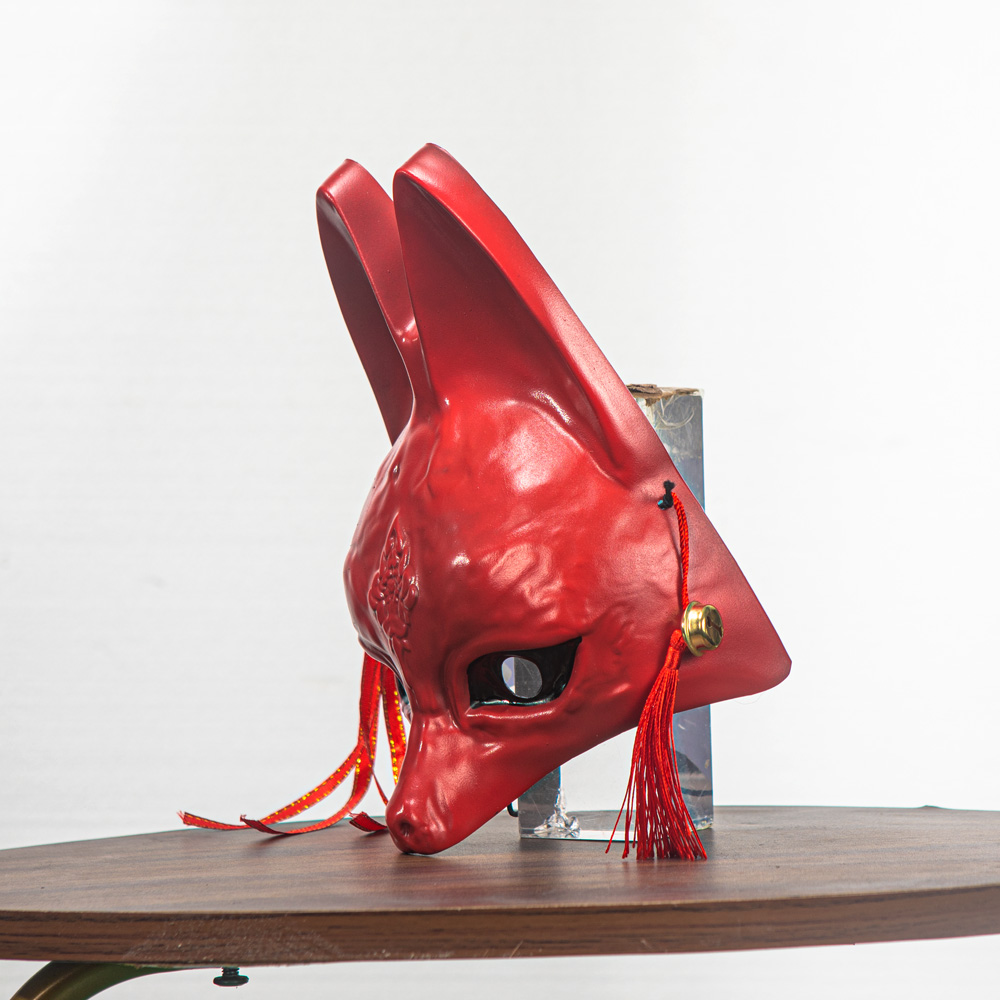
Role-Playing Masks: Anime masks, game character masks, etc., serving cosplay and theme parks. These emphasize lightweight design and facial fit, targeting Generation Z and those working in the ACG (Anime, Comics, and Games) culture industry.
Functional/Interactive Masks: Escape room masks, AR interactive masks, etc., requiring integration with scene design mechanisms or digital effects. Purchasers are mostly immersive entertainment operators.
5. Procurement Requirements: Match scene requirements, balance cost and quality.
Clearly define the usage scenario: Film and television shooting requires priority to lightweight, impact-resistant materials; theme parks need to focus on mask durability and safety certifications (such as the EU EN71 toy standard).
Assess supplier technical capabilities: Prioritize manufacturers with 3D modeling and automated production capabilities to ensure customized needs and delivery efficiency.
Consider material environmental friendliness: If the target market is Europe and America, it is necessary to confirm in advance whether the materials comply with local environmental regulations (such as REACH certification).
Sample Testing Experience: Before purchasing, suppliers are required to provide samples, with a focus on testing wearing comfort, visual clarity, and movement flexibility.
From religious ceremonies to global entertainment, the evolution of masks is a microcosm of human creativity and cultural exchange. Today, masks have transcended their single function, becoming a bridge connecting tradition and modernity, art and technology. For buyers, keeping up with cultural trends, accurately matching scenario requirements, and balancing innovation and cost are essential to creating differentiated competitiveness in a diversified market. Whether it's a Noh mask with a thousand-year history or a futuristic AR interactive mask, its core value remains the same—allowing the wearer to transcend identity boundaries and experience another life.