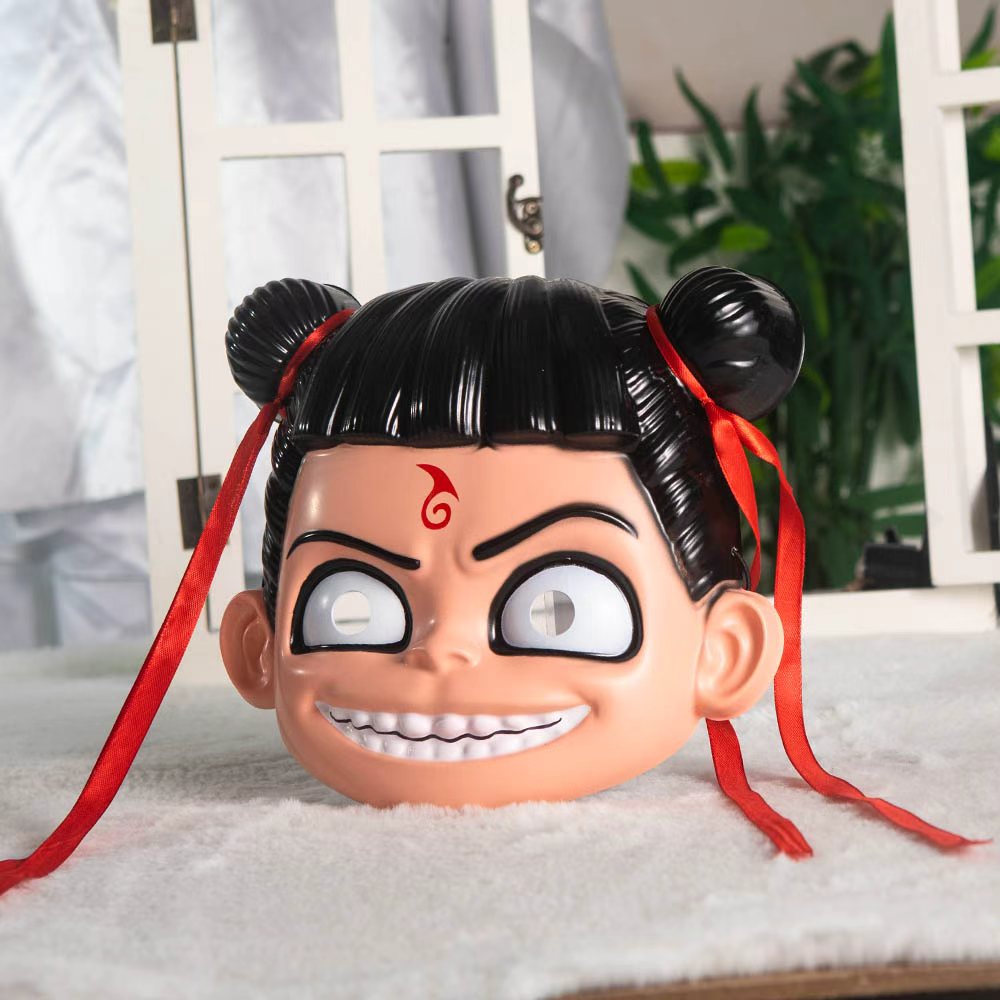
Cosplay culture continues to grow globally, and masks, as core props for shaping a character's soul, directly impact the immersive experience and visual effects. From material safety to design accuracy, from production technology to scene suitability, choosing a mask requires comprehensive consideration of multiple factors.
1. Material Selection: Balancing Safety, Comfort, and Expressiveness
Mask materials directly affect the wearing experience and the character's presentation. Common materials can be categorized into four types:
Silicone/TPE (Thermoplastic Elastomer): Known for its softness, skin-friendliness, and breathability, it's suitable for scenarios requiring prolonged wear (such as theme park parades). Its advantage lies in its ability to accurately reproduce skin texture and muscle lines, often used for realistic characters (such as zombies and alien creatures). It's important to choose food-grade silicone to avoid the risk of allergies.
Resin/Plastic: Lightweight and easy to shape, suitable for exaggerated looks of anime and game characters (such as big-eyed cute masks). Rigid resin can achieve complex structures through 3D printing, but requires ventilation holes to prevent overheating. Soft plastics (such as EVA) are made through thermoforming to reduce costs and are commonly found in mass-market consumer products.
Metal/Composite Materials: Used for high-end custom masks, such as steampunk-style gear decorations or futuristic titanium alloy frames. Metal materials require anti-oxidation treatment, while composite materials (such as carbon fiber + resin) balance strength and lightweight, suitable for film and television productions or professional performances.
Environmentally Friendly and Biodegradable Materials: Emerging materials such as corn starch-based resin and bamboo fiber composites meet the sustainability requirements of the European and American markets. Their disadvantages are higher cost and slightly lower durability, making them suitable for short-term events or limited-edition products.
Purchasing Recommendations: Prioritize material properties based on the intended use. For example, children's masks must strictly comply with the EN71 toy safety standard, prioritizing non-toxic silicone; outdoor performance masks need to balance lightweight and wind resistance, making carbon fiber composites recommended.
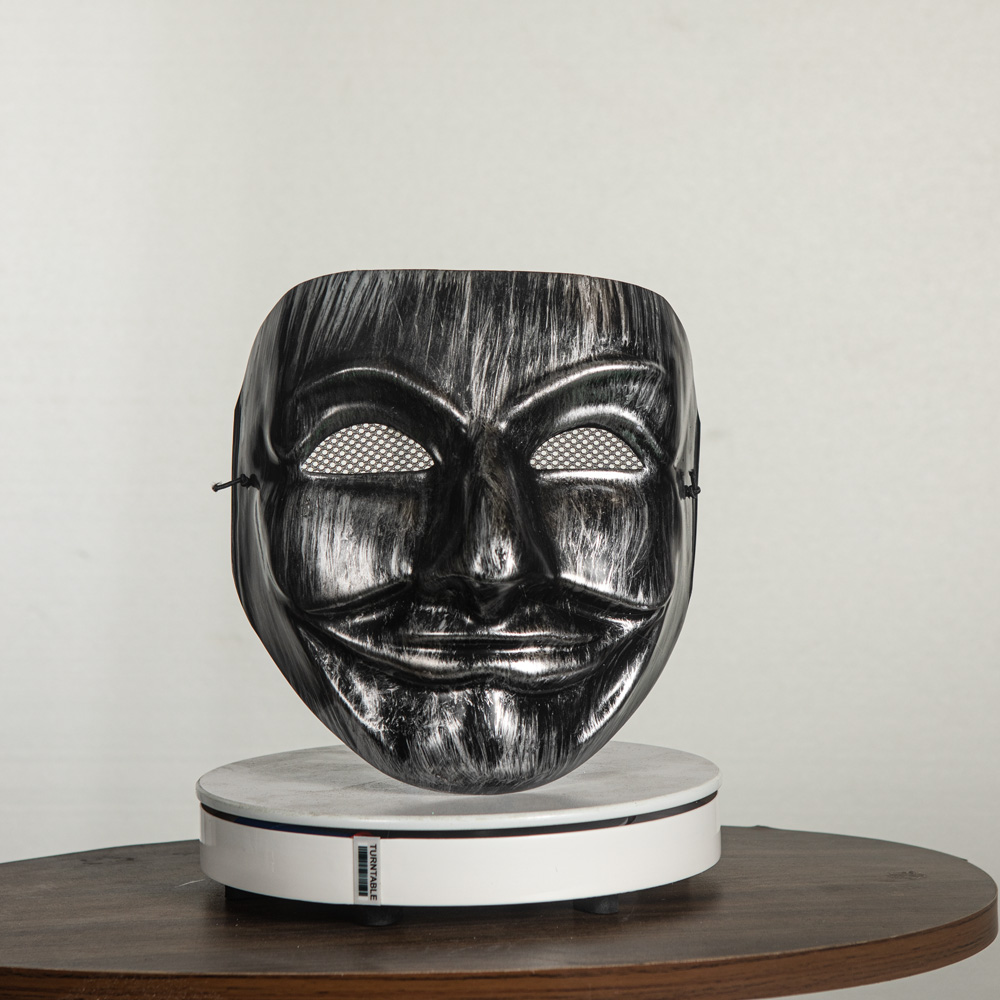
Mask design must closely adhere to the character's core essence. Common styles can be categorized into three main types:
Realistic Style: Pursues highly detailed reproduction, such as bloodstains and wound effects in horror films, or wrinkles and beards on historical figures' masks. This type of design relies on artisan hand-carving or high-precision 3D modeling, resulting in higher costs but stronger visual impact.
Exaggerated Cartoon Style: By enlarging facial features, simplifying lines (such as oversized eyes in anime characters), or adding cute elements (such as cat ears and star decorations), anime masks cater to the aesthetic preferences of young consumers. This type of design is suitable for mass production and often uses injection molding to reduce costs.
Conceptual Fusion Style: Combines traditional culture with modern technology, such as integrating the minimalist lines of Japanese Noh masks with LED lighting technology, or embedding AR interactive modules into Chinese Nuo opera masks. This innovative design requires cross-disciplinary technical collaboration and is a core growth point in the high-end customization market.
Procurement Recommendations: Choose the design direction based on the target audience. For example, buyers targeting the anime/manga (ACG) community can focus on cartoon style, while clients in the cultural exhibition sector need to emphasize historical accuracy.
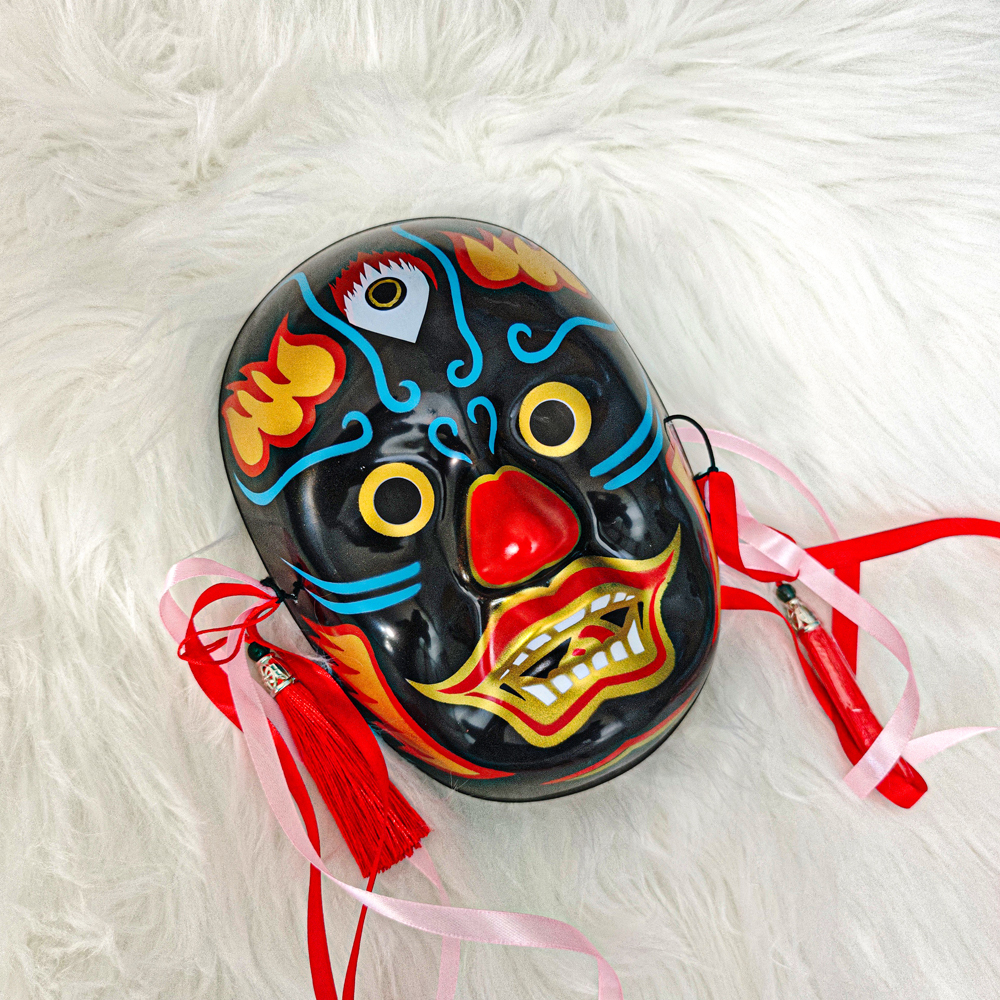
3. Manufacturing Technology: A Dual Upgrade in Efficiency and Precision
3D Printing and CNC Engraving: Enables rapid prototyping of complex shapes, especially suitable for small-batch customization. For example, personalized masks can be generated by scanning actors' facial data, ensuring a good fit and comfort.
Automated Injection Molding/Vacuum Forming: Used for mass production of standard masks, offering low cost and high efficiency. Attention must be paid to the impact of mold precision on details, such as the sharpness of lines in cartoon masks or the depth of texture in realistic masks.
Hand Finishing and Painting: High-end masks still rely on artisans for hand polishing and painting to achieve gradient colors or metallic textures. For example, the rust effect on steampunk masks requires multiple layers of spraying and weathering treatment.
Purchasing Recommendations: Evaluate the supplier's combined technological capabilities. For bulk purchases, prioritize automated production lines; for customized needs, assess their 3D modeling and hand finishing capabilities.
4. Matching Roles to Application Scenarios and Buyers
Film/Stage Performances: Masks must offer comfort, sweat resistance, and freedom of movement for extended wear. Lightweight resin or silicone materials are preferred, along with ventilation holes.
Theme Parks/Escape Rooms: Durability and safety certifications (e.g., fireproof, impact-resistant) are emphasized. Composite structures with metal frames and soft outer layers are suitable.
Festivals/Parties: Visual impact and low cost are key. Exaggerated designs using plastic or environmentally friendly materials are recommended, with support for quick replacements and bulk purchases.
Cultural Exhibitions/Education: Masks must recreate historical or cultural symbols. Traditional hand-carved materials (e.g., wooden Noh masks) are preferred, along with accompanying background information.
Mask selection is a comprehensive balancing act involving materials, design, and technology. For buyers, clearly defining the role, usage scenario, and target audience is the core logic for supplier selection. Whether it's a film-grade mask aiming for ultimate realism or a technologically advanced product emphasizing creative interaction, the essence is to allow the wearer to transcend their real-world identity and immerse themselves in a parallel world constructed by the character through the synergy of materials and design. With the popularization of technologies such as 3D printing and intelligent sensing, masks will be more deeply integrated into the entire process of role-playing in the future, becoming a key medium connecting the virtual and the real world.